
The Silent Nightmare Every Solo Founder Fears
I still remember the exact moment my stomach dropped and my heart started racing. It was a quiet Tuesday morning, and I was casually scrolling through my social media feed with a warm cup of coffee in my hand.
Suddenly, an advertisement popped up from a completely unknown competitor on my screen. They were selling a digital product that looked completely identical to the exact business framework I had spent six agonizing months creating.
Every single training module, the specific color schemes, and even the exact phrasing of my sales pitch were copied word-for-word.
I felt completely paralyzed because I instantly realized I had left the front door to my business completely wide open.

That deep sinking feeling of absolute helplessness is something I would never wish on my worst enemy. When you pour your blood, sweat, and tears into building something from scratch, your ideas become your most valuable assets.
Yet, as solo founders, we often get so caught up in marketing and building products that we completely forget to lock the doors.
We openly share our best concepts on public forums, hand over sensitive documents to freelancers without a second thought, and hope for the best. This innocent trust ends up costing everyday creators their hard-earned money and their peace of mind.
Imagine waking up to find that someone else is making thousands of dollars off the exact idea you lost sleep over. The mental toll of this reality is completely exhausting and deeply frustrating.
You start second-guessing every single conversation you have with potential partners or clients. You become paranoid about sharing your portfolio, fearing that someone will instantly rip off your designs or business model.
This constant state of anxiety ruins the joy of being an entrepreneur and stops you from growing your brand properly. But you do not have to live in this constant state of fear.
There are smart, highly effective, and deeply practical ways to build an invisible fortress around your creative work.
Today, we are going to explore exactly how you can completely secure your digital property without needing to spend thousands on fancy legal teams right away.
Spotting Your Hidden Goldmine: The Asset Audit
Before you can build a strong fence, you need to know exactly what is sitting in your backyard.
Most everyday creators think intellectual property only applies to big pharmaceutical formulas or complex software algorithms.
This is a massive misunderstanding that leaves small businesses completely exposed to thieves.
Your unique brand name, your logo, your blog posts, and even your specific customer service templates are all valuable property.
If you have created an original digital course, an ebook, or a unique coaching framework, you hold powerful assets.
Even the specific way you organize your client onboarding process can be considered a protected trade secret.
To start your defense, you must sit down with a blank piece of paper and conduct a complete asset audit.
Write down every single original thing you have created for your brand over the past few months.
Ask yourself these simple questions:
- What makes my specific service completely different from my closest competitor?
- Do I have original graphics, jingles, or taglines that people immediately associate with me?
- Have I developed a unique spreadsheet or software tool to help my clients?
Once you write all of these down, you will suddenly realize just how much wealth you are leaving unguarded on the internet.
Think of this list as your personal inventory of valuables. You would never leave your expensive laptop sitting unattended on a park bench.
In the exact same way, you should never leave your original frameworks unprotected on the open web.
The Power of the "Paper Shield": Contracts and Agreements
One of the biggest mistakes solo business owners make is relying on verbal promises and casual handshakes.
We hire a freelance designer from the internet and just assume they will keep our upcoming project a secret.
We tell a potential business partner about our big idea over a quick phone call and expect them to respect our boundaries. Unfortunately, the business world does not run on good intentions alone.
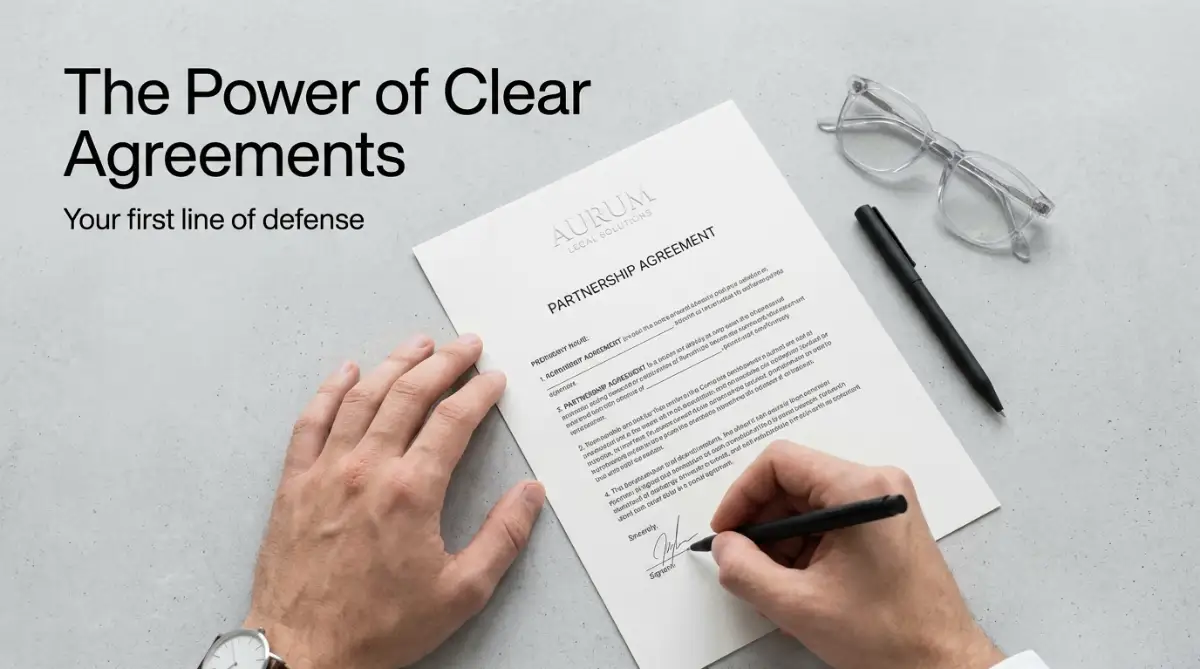
You need to implement strong boundaries, and the absolute best way to do this is through clear written agreements.
A Non-Disclosure Agreement (NDA) sounds like a scary, complicated legal term, but it is actually incredibly simple.
It is essentially a basic promise written on paper that says the other person cannot share your secrets with anyone else.
Whenever you are discussing a brand new product launch with a contractor, you must ask them to sign an NDA first.
There are plenty of free, highly reliable templates available online that you can customize for your specific needs.
Here is a hard lesson I learned about sharing my ideas too early. I used to think NDAs were just for massive tech corporations, so I freely discussed my upcoming software projects with potential partners over casual video calls. One of those "friendly partners" actually took my exact concept and launched it a month before me, leaving me with completely empty hands and a broken heart. Now, I never share my specific blueprints without a signed document protecting my rights.
Having someone sign a document completely changes the psychological dynamic of your working relationship.
It immediately shows the other person that you treat your business seriously and expect them to do the same.
Alongside NDAs, you must ensure that every single contract you sign with a freelancer includes an "Intellectual Property Transfer" clause.
If you pay someone to design a logo for you, they actually own the copyright to that drawing by default.
Unless your contract specifically states that the ownership transfers completely to you upon payment, you could face massive headaches later.
Breaking Down the Big Three: Copyrights, Trademarks, and Patents
The world of legal protection can feel incredibly overwhelming when you are managing everything alone.
However, you really only need to understand the basic differences between the three main types of protection. Understanding these categories will help you choose exactly the right tool for your specific situation.
Let's break them down into extremely simple terms that actually make sense for everyday creators.
The amazing thing about copyrights is that they actually exist the exact moment you create something original.
As soon as you finish typing a blog post or hit save on a graphic design, you officially own the copyright.
However, if you want to take a copycat to court and actually win damages, you need to officially register that copyright with your local government.
For solo founders on a tight budget, official registration is usually very affordable and can be done entirely online.
Trademarks are a little different and incredibly important if you are building a recognizable public brand. If you have spent two years building a reputation under a specific brand name, you must secure a trademark for it.
Imagine putting massive effort into building an audience, only to receive a letter demanding you change your name because someone else trademarked it first.
Trademarks act like a massive protective bubble over your brand identity, preventing confused customers from buying from a fake competitor.
Patents are much more complex and usually incredibly expensive to obtain. Unless you are physically manufacturing a brand new type of machine or a highly technical invention, you likely will not need to worry about patents right now.
Focus entirely on organizing your copyrights and applying for a trademark for your main business name.
Establishing Digital Tripwires to Catch Thieves Early
The best offense is always a highly organized and proactive defense.
Even if you have the best legal documents in place, thieves will still try to take advantage of the vast anonymity of the internet.
Your job is to catch them incredibly early before they can cause any serious damage to your revenue or reputation. This is where setting up clever digital tripwires becomes an absolute game-changer for your business security.
One of the easiest and most practical things you can do today is set up customized Google Alerts for your brand.
Simply go into the alert settings and type in your exact brand name, your unique product names, and even full sentences from your best-performing sales pages.
Whenever a lazy copycat pastes your exact text onto their cheap website, Google will immediately send an email directly to your inbox. This gives you the power to find stolen content within hours of it being published online.
If you are a photographer, graphic designer, or visual artist, reverse image searches are your best friend.
You can use free tools to upload your best-selling graphics and see exactly where else they are appearing on the web. If you spot your premium paid content sitting on a free download forum, you can immediately take aggressive action to remove it.
Another incredibly powerful strategy is adding invisible watermarks or digital tracking codes to your downloadable files.
For PDF documents like ebooks or workbooks, you can lock the files to prevent people from copying the text or printing it out.
You can also include a tiny, hidden copyright notice at the very bottom of every single page. If someone steals your document and tries to pass it off as their own work, they usually forget to check the tiny footers.
This leaves a perfect trail of evidence that proves you are the original, rightful owner of the material.
The Myth of Expensive Lawyers and Immediate Action
There is a huge misconception floating around the entrepreneurial space that stops people from protecting themselves.
Many beginners falsely believe that you need thousands of dollars on retainer with a fancy law firm just to protect a single idea.
Because of this specific myth, people simply do nothing at all and leave their businesses completely bare.
The honest reality is that much of the groundwork can be done entirely by yourself for very little money.
Sending a Cease and Desist letter is often the only thing you need to do to scare off an internet copycat.
You do not always need a lawyer to write this letter; there are highly professional templates you can use to demand the removal of your content.
Most content thieves are looking for easy targets who will not fight back.
When you show them that you are actively monitoring your assets and are willing to defend them, they usually back down immediately.
Furthermore, almost every single major platform like YouTube, Instagram, and Shopify has very strict internal rules against stealing.
They provide built-in reporting tools that allow you to file a direct takedown notice under the Digital Millennium Copyright Act (DMCA).
If you can provide clear proof that you created the content first, these platforms will forcibly remove the stolen material for you.
You do not need a judge or a courtroom to get your stolen property removed from a massive social media platform.
You just need to be organized, keep incredibly detailed records of when you create things, and know exactly which buttons to press.
We will talk deeply about how to master these exact takedown strategies in the next section.
Building a habit of documenting your creation process is an incredibly powerful way to secure your future.
Whenever you finish a big project, email the final zip files directly to yourself to create a permanent, timestamped record of your work.
This digital paper trail proves exactly what day and time you finished the project, which is highly useful in any dispute.
Next-Level Defense Strategies for the Everyday Creator
Once you understand the basic differences between copyrights and trademarks, you need to set up a long-term defense system.
Protecting your work should never feel like a massive, exhausting chore that steals time away from your real passion.
Instead, it should be a quiet, automated background process that runs while you are busy growing your audience.
One of the smartest things you can do today is establish an airtight digital paper trail for every single project.
Whenever you outline a new digital product, take a few minutes to email the early drafts directly to your own secure inbox.
This simple action creates an undisputed, timestamped record of exactly when your original idea was born.
If someone ever tries to challenge your ownership in the future, you have clear evidence sitting right in your email archives.
However, you must also remember that protecting your ideas goes beyond just your personal computer.
You need to make sure that the people you hire are not secretly leaking your best concepts to your competitors.
Whenever you communicate with remote contractors, you need to treat your internal messages with absolute care.
In fact, securing your internal communications is just as important as checking if your business emails are legally safe from outside threats.
If you do not have clear boundaries regarding how your team handles sensitive files, you are leaving your business exposed.
The Secret Weapon of Trade Secrets
Most everyday creators completely ignore the concept of "trade secrets" because it sounds like a fancy corporate term.
However, a trade secret is simply a specific process, recipe, or strategy that gives your business an edge over others.
You do not need to register a trade secret with any government office to get legal protection for it.
The only requirement is that you take reasonable, highly intentional steps to keep that information completely hidden from the public.
For example, if you have an amazing list of private suppliers that you use for your online store, that list is a trade secret.
If you protect this list with strong passwords and require your assistants to sign non-disclosure agreements, it remains legally protected.
The moment you accidentally share that supplier list on a public forum, it loses its special legal status instantly.
For a deeper understanding of what exactly qualifies as protected information on an international level, you can explore the guidelines provided by the World Intellectual Property Organization (WIPO).
Building a Loyal Community as a Protective Moat
Legal documents are amazing tools, but your absolute best line of defense is actually a highly engaged community.
When you spend time building genuine relationships with your readers and customers, they become your fierce protectors.
If a lazy competitor steals your exact blog post or copies your unique coaching framework, your loyal fans will usually notice it first.
They will quickly send you direct messages warning you about the copycat, and they will publicly call out the thief on social media.
This kind of organic, community-driven protection is something that no amount of money can actually buy.
It is also the exact reason why artificial intelligence design tools can never completely replace human brand creators.
People connect with your unique human voice, your personal struggles, and the specific way you present your ideas.
When someone tries to steal your work, they might copy the text, but they can never replicate the deep trust you have built.
Mastering the DMCA Takedown Notice
Eventually, you will find someone who has directly stolen your content and uploaded it to their own website.
When this happens, you do not need to panic or immediately hire an expensive legal professional.
You can simply issue a Digital Millennium Copyright Act (DMCA) takedown notice to the company hosting their website.
Every single legitimate web hosting company has a designated legal agent whose specific job is to handle these exact complaints.
You just need to send them a formal email stating that you are the original owner of the copied material.
You must include the specific link to the stolen content and a link to your original, timestamped work as solid proof.
Once the hosting company receives this valid notice, they are legally obligated to remove the stolen content very quickly.
If you want to learn more about your rights as an everyday creator, the Copyright Alliance offers amazing resources to help you understand your power.
You hold significantly more power than you realize, and learning to use these simple reporting tools will save you massive headaches.
Just like you need proven risk management strategies for your investments, your digital assets require the exact same level of proactive defense.
Dangerous IP Traps That Will Destroy Your Business
Even the most intelligent entrepreneurs completely ruin their businesses by falling into completely avoidable traps.
These innocent mistakes usually happen because people are rushing to launch their products and simply ignore the boring legal details.
But brushing over these details can absolutely destroy your reputation and drain your bank account overnight.
Let us look deeply at the specific traps that everyday creators fall into and how you can avoid them completely.
The "I Am Too Small to Be Robbed" Mindset
This is without a doubt the most dangerous thought you can possibly have as a new founder.
You might think that because you only have a few hundred followers, nobody is paying attention to your ideas.
However, content thieves actually prefer to target smaller creators specifically because they assume you do not have the money to fight back.
They will quietly copy your entire website structure, steal your graphic designs, and use your sales copy to launch their own brand.
If you wait until you are earning massive profits to start protecting your work, you are waiting way too long.
By the time you become successful, a copycat might already have a trademark pending on your exact brand name.
Losing your brand identity because you waited too long is incredibly painful and completely avoidable.
The Disaster of "Building in Public"
The modern internet highly encourages founders to share their entire entrepreneurial journey on social media platforms.
While transparency can help you build trust, oversharing is an absolute nightmare for your intellectual property.
Many founders openly post screenshots of their upcoming product features, their private marketing strategies, and their internal revenue goals.
They do this to get engagement, but they are actually handing their competitors a completely free roadmap to success.
If you explain exactly how you built your unique digital tool before you even launch it, someone else will simply build it faster.
You must learn to share your personal journey without giving away the secret sauce that makes your business profitable.
You can talk openly about the hard lessons you learn, but you should never reveal your exact frameworks until they are fully secured.
Ignoring the Fine Print on Software Platforms
We all completely ignore the "Terms of Service" boxes when we sign up for new software tools.
We simply click the checkbox and move forward because we are excited to start creating things.
However, many free online platforms actually include highly sneaky clauses regarding the ownership of your uploaded files.
Some user agreements state that by using their free service, you grant them a permanent license to use or reproduce your work.
This means if you design a brilliant logo on a free, low-quality platform, they might legally be allowed to use it in their own marketing.
You must always read the terms of service, especially when dealing with platforms where you host your premium digital courses.
If you want a deeper understanding of how internet platforms handle digital rights, groups like the Electronic Frontier Foundation (EFF) constantly track online privacy and user ownership.
Mixing Personal and Business Risks Poorly
When you start your journey, it is incredibly easy to mix your personal identity with your new brand identity.
But if you accidentally infringe on someone else's intellectual property, this innocent mistake can ruin your life.
If you use a protected image on your blog without permission, a large agency can sue you personally for damages.
If you have not set up a proper business structure, like a Limited Liability Company (LLC), they can go after your personal savings account.
Dealing with this massive financial stress is completely devastating for your family and your mental health.
You must separate your business from your personal life entirely to build a highly secure wall around your family's future.
Treat your business like a real entity from day one, and you will save yourself countless sleepless nights.
Your Action Plan for Unbreakable Brand Security
You now possess the exact knowledge needed to build an incredibly powerful shield around your valuable ideas.
The absolute worst thing you can do right now is read this information and go back to your normal routine without making changes.
You do not need to tackle every single legal step perfectly by tomorrow morning, but you do need to start somewhere today.
Start by organizing a very simple list of your most valuable digital assets and identifying where your business is currently exposed.
Then, make sure you download a high-quality non-disclosure agreement template before your next meeting with a freelancer.
Remember to actively monitor your brand name online by setting up free automated alerts to catch lazy copycats immediately.
If you are ever confused about the complex rules regarding using other people's work fairly in your own content, you can always reference the excellent guides at Stanford University Libraries.
Building a business is an incredibly beautiful journey, and protecting your hard work ensures that your journey continues safely.
For more foundational advice on building highly secure, long-term business models, you can always explore the resources available at Infobloge.
You have worked entirely too hard to let someone else steal the amazing brand you are building.
Questions Everyday Founders Ask About Securing Their Work
Do I need a registered trademark to start selling my products?
No, you absolutely do not need a registered trademark just to launch your new business or start making sales online. However, registering your brand name extremely early gives you powerful legal rights if a competitor tries to steal your identity later.
Can someone steal my business idea if I just talk about it?
Yes, basic ideas and casual concepts are completely unprotected by law, meaning anyone can legally take your idea if you just talk about it openly. This is exactly why you must always use a non-disclosure agreement before discussing sensitive project details with potential partners.
How much does it really cost to protect my digital course?
Protecting a digital course is surprisingly cheap because your original writing and videos are automatically protected by copyright the moment you create them. You only need to pay a small government fee if you decide to officially register the copyright to get maximum legal power in court.
What should I do if a bigger company steals my logo?
First, you should immediately gather your original design files with clear timestamps to prove exactly when you created the artwork. Then, you can send a formal Cease and Desist letter or file a DMCA takedown notice to forcefully remove their stolen materials.
Are non-disclosure agreements actually enforceable in court?
Yes, a properly written non-disclosure agreement is a legally binding contract that holds strong power in a courtroom. Even if you never actually go to court, the document itself acts as a massive psychological barrier that successfully scares away most potential thieves.
Disclaimer: The information provided in this article is for educational and informational purposes only and should not be construed as professional legal advice. Intellectual property laws vary significantly by location and specific circumstances. Always consult with a licensed attorney or a qualified legal professional before making any major decisions regarding your business contracts, trademarks, or copyrights.
A Final Word from My Desk:
I know firsthand how overwhelming it feels to protect your ideas when you are completely focused on building your dreams. But I promise you, taking just one small step today to secure your digital assets will give you incredible peace of mind tomorrow. You deserve to own the full reward of your brilliant creativity, so lock those doors tightly and keep moving forward with absolute confidence.