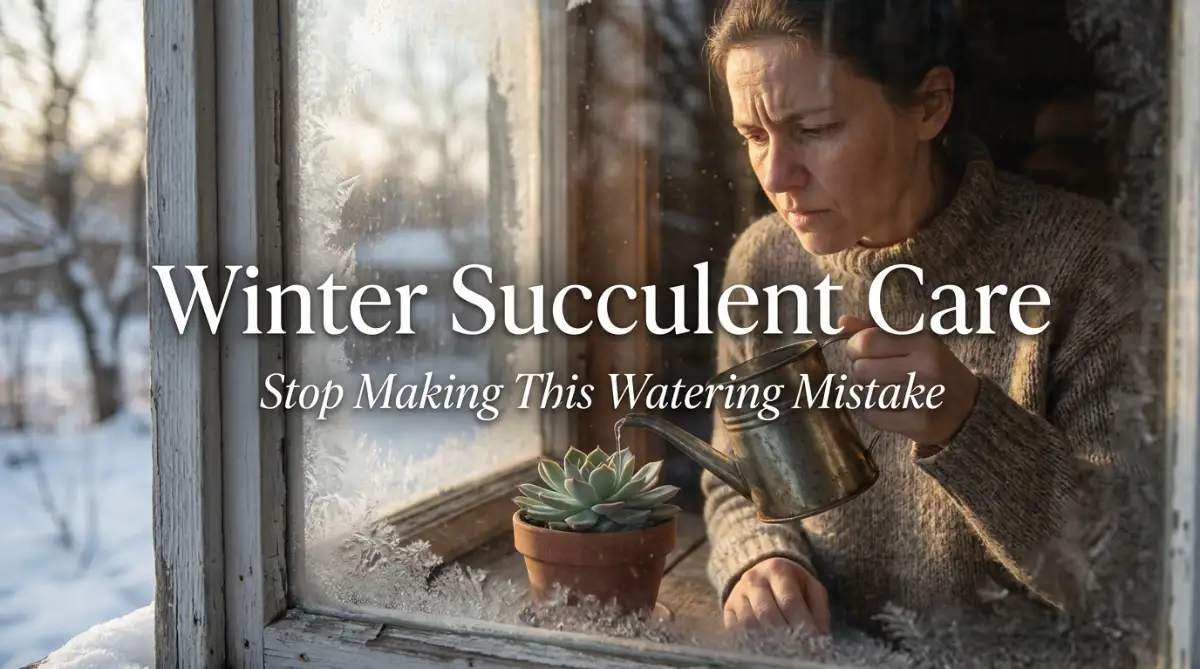
The Heartbreak of Losing a Favorite Houseplant
I still remember the heartbreak of losing my absolute favorite Jade plant just as the weather turned freezing. I thought I was doing the right thing by giving it a nice, big drink of water every single Sunday morning. But within a few short weeks, the plump green leaves turned into a sad, yellow, mushy mess.
I felt terrible, honestly, because I had nurtured that plant for so long. I stared at the dropping leaves and wondered what went completely wrong with my daily care routine. It felt like I had failed a silent friend who relied entirely on me for survival.
Plant lovers know exactly how this heavy guilt feels. You spend months watching your beautiful green friends grow, only to see them rot from the inside out when the seasons change. It is incredibly frustrating to wake up, check your windowsill, and see another healthy leaf suddenly drop to the floor.
The stress of not knowing if you should add a little water or leave the soil completely dry can really mess with your peace of mind. We end up overthinking every little detail, checking the soil multiple times a day with extreme anxiety.
This constant worry takes the joy out of indoor gardening completely. You just want a simple, green space to relax in after a long day at work. Instead, you get a daily source of stress, wondering if your watering habits are quietly killing your beloved collection.
Why Cold Weather Completely Changes the Rules
If you want to stop feeling anxious about your plants, you first need to understand what happens inside a succulent when the temperature drops. Plants are incredibly smart living things that react deeply to their environment. When the days get shorter and the air gets chilly, they know exactly what time it is.
Think of your succulent like a bear getting ready for a long winter hibernation. They slow down their internal processes, stop pushing out new growth, and go into a state of deep rest. This resting phase is known as dormancy.
Because they are not actively growing, they simply do not need the same amount of food or water they used in the summer. Giving a dormant plant a massive amount of water is like forcing someone to eat a huge meal right before they go to sleep. Their roots cannot process the moisture, so the water just sits there in the cold pot.
Myth vs Reality: The Watering Misconception
A lot of well-meaning plant owners fall for a very common trap during the colder months. Let's clear up some of this dangerous confusion right now.
The Myth: Indoor heating dries out the air, so my plants need more water to stay hydrated.
The Reality: While the air might be dry, the lack of intense sunlight and slowed growth means the soil actually stays wet for much longer.
Watering based on the dry air in your living room rather than the actual moisture in the soil is a recipe for disaster. The top layer of dirt might look bone dry because of your heater, but the bottom of the pot is likely still soaking wet.
The Silent Killer Hiding in Your Soil
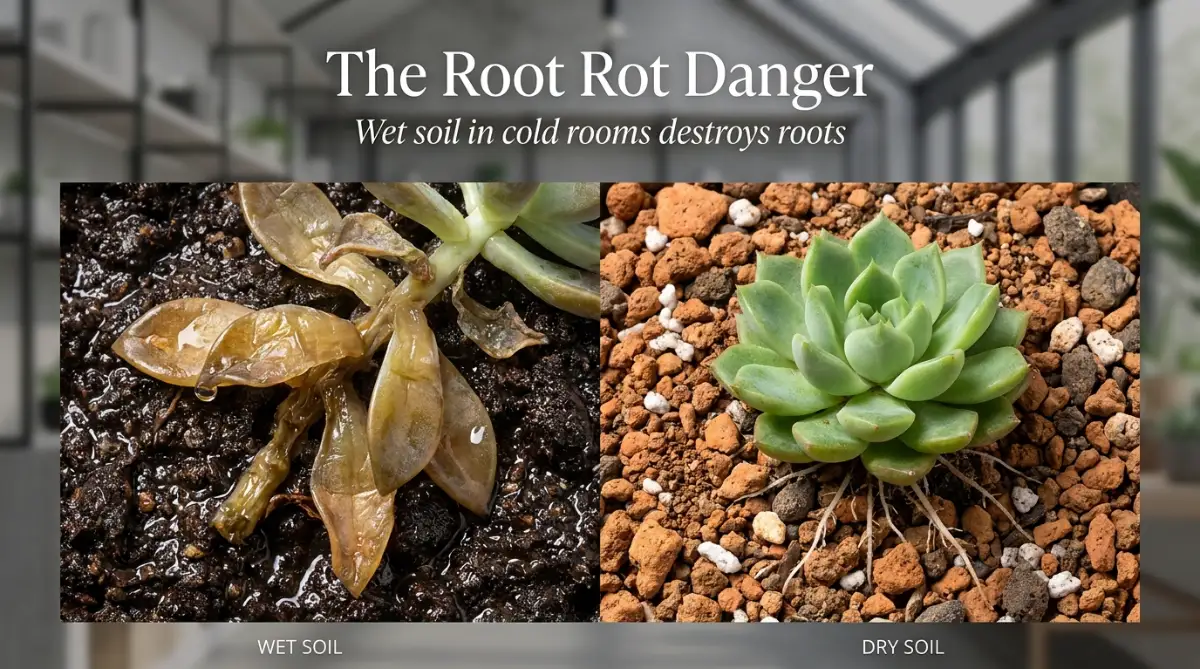
When water sits in cold soil for weeks at a time, it creates the perfect breeding ground for bacteria and harmful fungi. Your plant's roots need oxygen just as much as they need hydration. If the roots are constantly suffocated by soggy dirt, they will literally drown and begin to rot.
Root rot is a silent killer. By the time you see the damage on the top leaves, the root system below the dirt has often completely turned to black mush.
Imagine wearing a pair of thick, soaking wet socks inside your winter boots for a whole week. Your skin would become damaged, soft, and unhealthy very quickly. This is exactly what happens to succulent roots trapped in cold, wet potting soil.
Identifying the True Signs of Thirst
One of the biggest struggles is figuring out if your plant is actually thirsty or just reacting to the cold environment. A healthy succulent stores water inside its thick, fleshy leaves. When the plant is truly running low on internal water reserves, it will give you very obvious visual clues.
Look closely at the lower leaves of your plant. If they are slightly wrinkled, soft, and look a bit deflated, your plant is genuinely asking for a drink.
However, if the leaves are turning a translucent yellow color and feel squishy or mushy to the touch, do not add water. This is a massive warning sign of overwatering, not underwatering.
A Smarter Approach to Winter Hydration
To solve this problem, we need to completely change how we measure soil moisture. Throw your strict weekly watering schedule directly into the trash can. Succulents do not care what day of the week it is.
Instead of guessing, you need a reliable way to check the deepest parts of the pot. Many people use their fingers, but human fingers cannot reach the bottom of a deep ceramic planter.
I used to rely on fancy electronic moisture meters, but they often gave me false readings in chunky soil mixes. My biggest realization was that a simple wooden chopstick from my kitchen drawer works perfectly to check for deep moisture. Just poke it into the pot, leave it for a minute, and if it comes out completely dry and clean, it is finally time to give your plant a drink.
The Power of Visual Learning
Sometimes, reading about leaf wrinkles is not enough to build your confidence. Watching someone actually test the soil and demonstrate the right watering technique makes a world of difference. The video below shows the exact visual cues your plant gives when it is genuinely thirsty, saving you from making a fatal mistake.
Assessing Your Specific Indoor Environment
Not all indoor spaces are created equal, especially when you turn on your central heating system. Where you place your plant has a massive impact on how fast the soil dries out. You need to become an active observer of your own home.
If your succulent is sitting on a drafty windowsill where freezing air leaks in, the soil will stay wet for a very long time. The cold glass literally pulls heat away from the pot.
On the other hand, if your plant is directly above a hot radiator, the soil might bake and dry out too aggressively. You need to find a happy medium for your green friends.
The Ideal Winter Placement Strategy
To help you figure out the best spot, let's break down the conditions you should look for in your house.
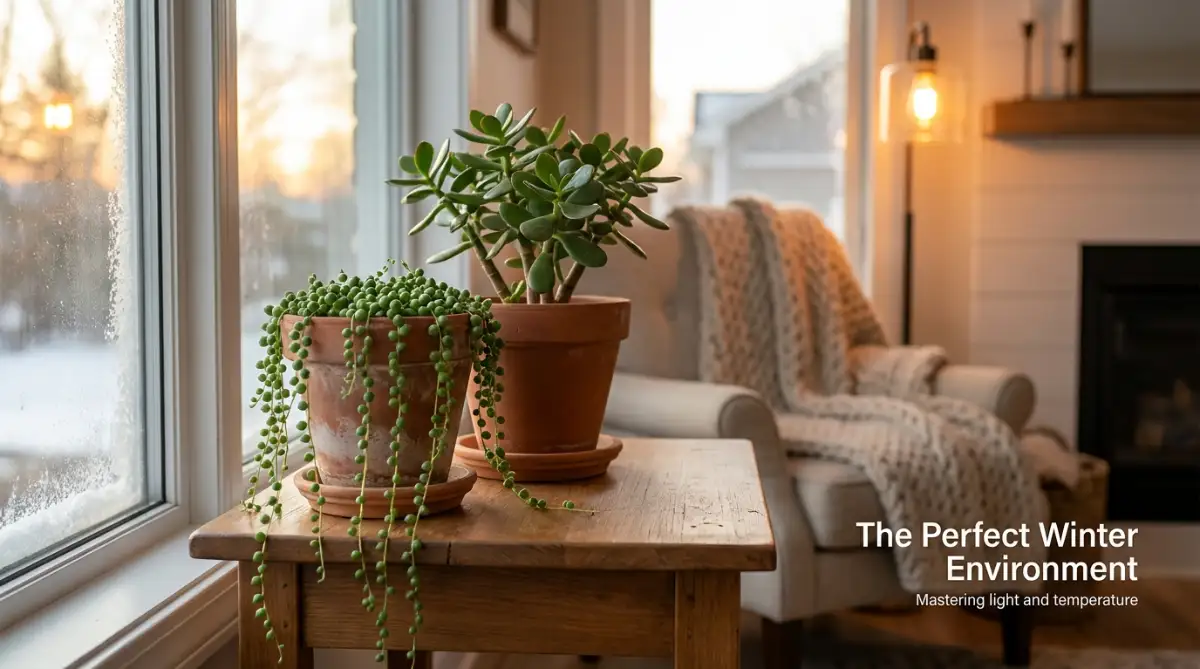
Finding that perfect spot on a table just a few inches away from a bright, sunny window usually provides the best balance. The plant gets the light it desperately needs without suffering from freezing glass temperatures.
The Science of Water Temperature
Here is a detail that most beginners completely ignore: the actual temperature of the water you are pouring out of your watering can. When you turn on your kitchen tap in the middle of winter, the water is often freezing cold.
Pouring ice-cold water directly onto sensitive plant roots causes immediate biological shock. The sudden drop in temperature can damage the cellular structure of the root system.
Always fill your watering can the night before and let it sit on your kitchen counter. This allows the water to reach room temperature naturally before you pour it into the soil.
Dealing with Chemical Additives
Leaving the water out overnight does more than just fix the temperature problem. City tap water is often treated with heavy chemicals like chlorine to keep it safe for human consumption. While safe for us, these chemicals can build up in your plant's soil over time.
Allowing the water to rest uncovered for twenty-four hours gives some of these harsh chemicals a chance to evaporate into the air. This small, simple step creates a much gentler drinking experience for your sensitive succulents.
Rethinking Your Potting Materials
If you are a heavy waterer who struggles to hold back, the type of container you use can either save your plant or destroy it. Plastic and glazed ceramic pots look beautiful, but they trap moisture completely. Water can only escape through the tiny drainage hole at the bottom or by slowly evaporating from the top layer of dirt.
Why Breathable Materials Win
Unglazed terracotta pots are an absolute game-changer for winter indoor gardening. Because terracotta is made of baked clay, it is highly porous and breathes just like human skin.
When you water a plant inside a terracotta pot, you will notice the outside of the pot changes color and feels damp. The clay actually pulls excess moisture out of the dirt and releases it into the surrounding air.
This simple material switch guarantees that your soil will dry out much faster, significantly reducing the risk of deadly root rot. If you constantly kill your succulents in winter, moving them into terracotta is the most effective safety net you can build.
Adjusting Your Watering Technique
When the time finally comes to water your completely dry succulent, how you apply the water is just as important as when you do it. Lightly sprinkling the top of the soil with a few drops of water is a terrible habit. Shallow watering creates weak, shallow roots that sit right at the surface of the soil.
You want to encourage the roots to grow deep into the pot, searching for moisture. To do this, you must thoroughly soak the entire pot until water freely pours out of the bottom drainage holes.
This is called the "Soak and Dry" method. You flood the soil completely, and then you do not touch the watering can again until the dirt is bone dry from top to bottom.
The Bottom Watering Alternative
If your top layer of soil has become hard and hydrophobic (meaning it repels water instead of absorbing it), top watering will not work. The water will just run down the sides of the pot and completely miss the roots.
Instead, fill a shallow bowl with room-temperature water and place your plant pot directly into it. The dry soil will slowly act like a sponge, pulling the water up through the bottom drainage holes.
Leave the pot in the bowl for about twenty minutes, or until the top layer of the soil feels slightly damp to the touch. Once it is hydrated, take the pot out and let it drain entirely in the sink before putting it back on your beautiful windowsill.
Pro-Level Secrets for Keeping Winter Succulents Thriving
To truly master cold-season plant care, you must think like a professional grower. Surviving the winter is not just about doing less of the bad things. It is about actively setting up a stable, healthy environment where your plants can rest without stress.
Let us explore some advanced strategies that will keep your green collection in perfect shape until spring.
The Hidden Power of Air Circulation
Many indoor gardeners do not realize that standing air is a massive enemy of potted plants during the winter. When your home windows are sealed shut to keep the cold out, the air inside your rooms becomes completely still.
This stagnant air allows moisture to hang around your plant pots for way too long. It also creates an ideal environment for mold and powdery mildew to grow on the soil surface.
To fix this, you do not need to open your windows and let the freezing air in. Simply placing a small, low-powered desk fan in your plant room can make a world of difference.
Run the fan on its lowest setting for just a couple of hours every day. This gentle breeze mimics natural outdoor wind, helping the top layer of your potting soil dry out much faster.
If you are busy managing a high-stress lifestyle, perhaps balancing your daily workload setting up a simple automated outlet timer for your fan can save you precious hours of plant troubleshooting.
Understanding Active Winter Growers vs. Dormant Varieties
One of the best-kept secrets in the gardening world is that not all succulents sleep during the cold months. While popular varieties like Echeveria and Sedum go completely dormant, other types actually do the opposite.
Plants belonging to the Aeonium, Haworthia, and Aloe families often experience their main growing season during the winter. These winter-active plants will actually need slightly more regular watering than your sleeping desert plants.
If you treat every single succulent in your house exactly the same way, you will run into major issues. Take a few minutes to search for the specific scientific names of your plants. You will get more knowledge.
Knowing which ones are sleeping and which ones are awake allows you to customize your watering can routines. This simple bit of knowledge protects you from accidentally starving your active winter growers.
Tweaking Your Soil Mix for the Cold Season
If you want to give your plants the ultimate layer of protection, you should look closely at what is inside your pots. Standard potting soil from local garden centers is designed to hold onto water like a giant sponge.
While this water retention is helpful during hot summer days, it is incredibly dangerous during the winter. You need a soil mix that allows water to run straight through the pot in a matter of seconds.
I highly recommend mixing your standard soil with plenty of inorganic materials like pumice, perlite, or coarse chicken grit. Try using a ratio of one part potting soil to two parts grit for your winter-prone plants.
This incredibly gritty mix ensures that excess water never pools around the roots. According to the gardening guides at the University of Minnesota Extension, using a highly porous soil mix is the single best way to protect indoor potted plants from root damage during low-light seasons.
Using Artificial Lights to Manage Soil Moisture
As the winter days grow shorter, the quality of natural sunlight coming through your windows drops dramatically. Without enough light, your plants cannot perform photosynthesis, which means they stop drinking water from the soil.
If your windows are dark and cloudy for weeks, your potting soil will remain damp no matter how little you water. Using simple, energy-efficient LED grow lights can solve this problem entirely.
These lights act like artificial sunshine, keeping the plant's internal systems running smoothly. This extra light energy helps the plant process soil moisture naturally, even when it is freezing outside.
Failing to set up a stable light environment is a common rookie mistake that leads to plant loss. Just like how protecting your plants requires a clear, step-by-step environmental checklist before the cold weather starts.
Dangerous Traps That Will Quietly Kill Your Winter Garden
Even when we have the best intentions, it is incredibly easy to fall into bad habits that damage our plants. When the weather gets cold, small mistakes that your plants would easily tolerate in the summer can quickly become fatal.
Let us look at some of the most common pitfalls so you can avoid them completely.
The Mist-Watering Catastrophe
One of the most common mistakes I see indoor gardeners make is using a spray bottle to mist their plants. People often think that since the indoor air is dry, spraying a light mist over their succulents will keep them hydrated.
This is an extremely dangerous misunderstanding of how desert plants work. Succulents absorb water through their root systems, not through their leaves.
Misting only leaves water droplets sitting in the tight crevices of the plant's leaves. In a cold room, this standing water does not evaporate quickly.
Instead, it sits there for days, slowly rotting the center of the plant until the leaves fall off in mushy clumps. It is far better to leave the leaves completely dry and focus only on the roots.
Letting Your Plants Stand in Excess Water
Another silent killer is leaving your plant pots sitting in the water that drains out after a good watering session. Many people have decorative saucers or outer plastic pots under their clay containers.
When you water your plant, the excess moisture pools in these bottom trays. If you do not empty them out immediately, the soil at the bottom of the pot will act like a straw, sucking that dirty water back up.
This keeps the lowest roots in a constant state of drowning. The horticultural experts at the Royal Horticultural Society emphasize that leaving any plant sitting in drainage water for more than fifteen minutes will cause immediate oxygen deprivation to the roots.
Always carry your pots to the kitchen sink when it is time to water them. Let them drain completely for twenty minutes before returning them to their decorative saucers.
The Panic-Watering Cycle
It is completely natural to feel worried when you see a lower leaf on your succulent turn yellow and fall off. Your immediate reaction might be to panic and reach for the watering can, thinking the plant is dying of thirst.
However, succulents naturally shed their older bottom leaves to save energy for their main core. If you add water to an already stressed plant, you will accidentally accelerate the rotting process.
Before you add a single drop of water, always check the overall stiffness of the middle and top leaves. If the upper leaves are firm and strong, the plant does not need a drink, regardless of what the bottom leaves are doing.
Keeping Your Plants Too Close to Dry Heaters
While drafty windows are bad, placing your plants directly next to a roaring heater vent is just as dangerous. The intense, dry heat blowing from your furnace will dry out the plant's delicate leaves at an unnatural speed.
At the same time, the root ball inside the cold pot might still be wet and resting. This massive temperature mismatch confuses the plant's internal clock and causes extreme physical shock.
If the dry heat from your radiators is affecting your home comfort, it can damage more than just your green friends. To keep yourself comfortable while fixing your home's air quality.
Keep your indoor garden at least three to four feet away from any active heating vents or radiators. This protects them from the harsh, drying drafts while still keeping them comfortably warm.
Your Clear Roadmap to a Thriving Winter Garden
Taking care of your indoor plants through the coldest months of the year does not have to feel like a constant battle. By understanding the natural cycles of these desert survivors, you can easily guide them safely into the spring.
Sometimes, we overcomplicate plant care just like we overcomplicate our daily stresses. For instance, you can learn to clear up mental space, allowing you to focus on simple, peaceful hobbies like indoor gardening.
Your Simple Winter Plant Action Plan
To help you stay organized, here is a quick, highly effective checklist you can use starting tomorrow morning.
- Step 1: Grab a wooden kitchen skewer and test the soil depth of every pot in your room.
- Step 2: Mark your calendar only to keep track of when you checked the soil, never to schedule actual watering days.
- Step 3: Move any plants that are touching cold window glass at least three inches back toward the warm room.
- Step 4: Clean any dust off your succulent leaves with a soft, dry microfiber cloth so they can absorb maximum winter light.
By following these basic steps, you remove all of the dangerous guesswork from your plant care routine. You will start to see your plants not as fragile targets of the cold, but as resilient survivors waiting for the spring sun.
I used to lose half of my winter plants every single year until I finally embraced these simple checks. Now, watching my green friends survive the coldest nights brings me a sense of quiet peace. I know you can build this same confidence and enjoy a beautiful, green indoor space all year long.
Common Questions About Winter Succulent Care
Why are my succulent leaves turning soft and dropping off?
This is almost always a sign of overwatering. When a succulent gets too much water in cold temperatures, the cells inside the leaves swell up and burst, making them look translucent and feel very mushy. Stop watering immediately and let the soil dry out completely in a warm, bright room.
Should I feed my succulents fertilizer during the winter?
No, you should never fertilize your succulents during their dormant winter phase. Because they are not actively growing, they cannot use the extra nutrients. The unused fertilizer will just sit in the soil, burning the roots and causing long-term damage.
How often should I water my indoor plants when it is freezing outside?
There is no set number of days because every home environment is completely different. You should only water when the soil is completely dry from the very top to the absolute bottom of the pot. For many indoor homes, this might mean watering only once every three to four weeks.
Can I repot my succulents during the cold months?
It is highly recommended to wait until the warm spring months to repot your plants. Repotting causes tiny, invisible micro-tears in the root system. If you put damaged roots into cold, damp winter soil, they are highly likely to rot before they have a chance to heal.
General Care Disclaimer: The botanical advice provided in this guide is intended for general informational purposes only. Indoor growing conditions can vary wildly depending on your local climate, home heating systems, and specific plant varieties. Always observe your plants closely and adjust your care routines based on their individual physical responses.